How to turn retail products into professional real-time solutions through data-driven UX.
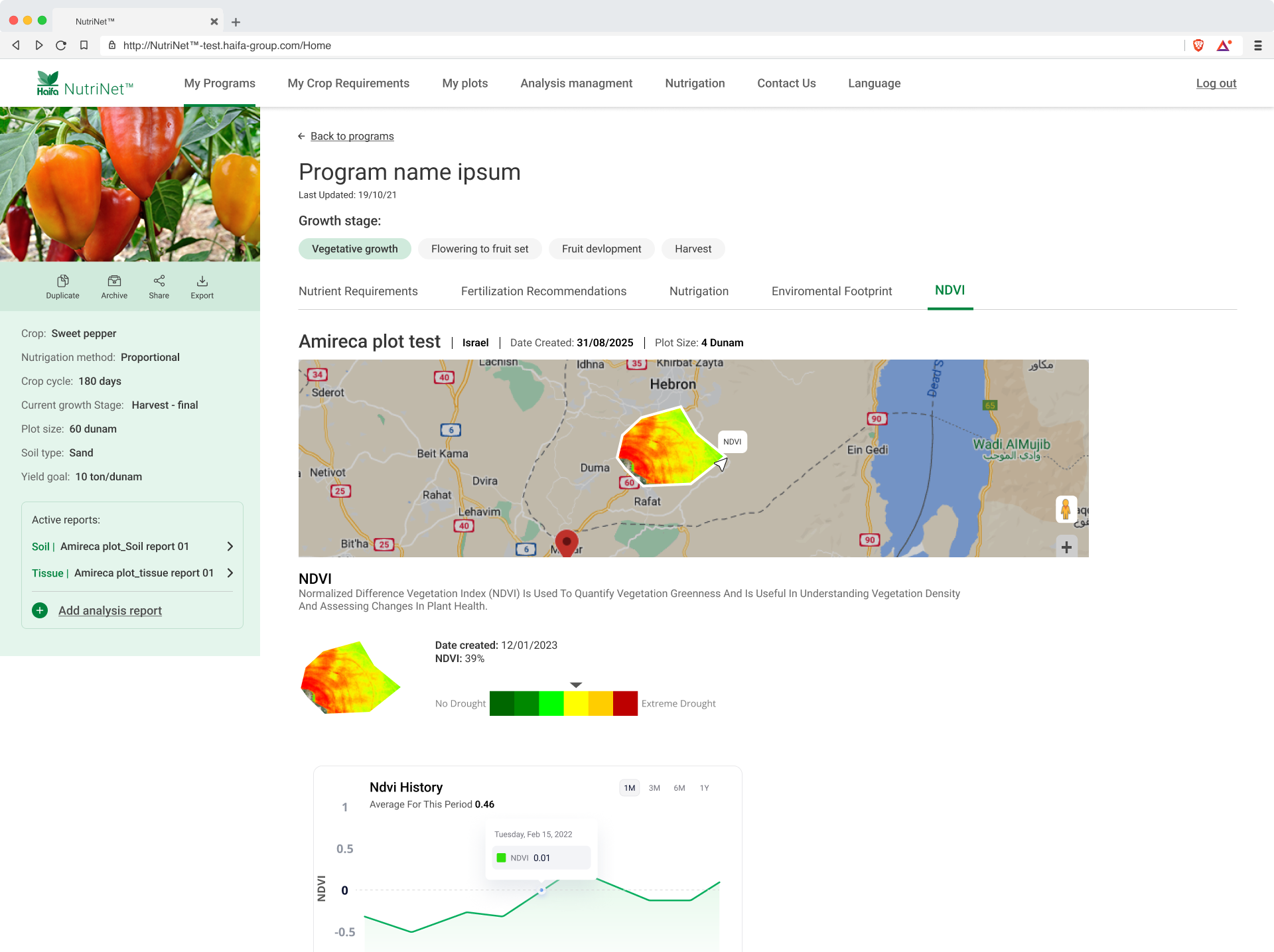
This project lives within a comprehensive agricultural planning platform — a system that calculates optimal crop types and fertilization schedules by synthesizing soil composition data, short and long-term weather forecasts, and real-time environmental signals.
The platform serves professional agronomists and farmers who rely on it as a primary decision-making tool. Any feature introduced into this workflow must earn its place — it must feel like professional insight, not a product placement.
The organization aimed to introduce a new product line — bio-stimulants — directly into the fertilization planning workflow. The immediate concern: experienced farmers would immediately recognize and reject any promotion embedded into their professional tool.
The real design problem wasn't "how do we show the product?" — it was "how do we make the product feel like a professional recommendation, not an advertisement?"
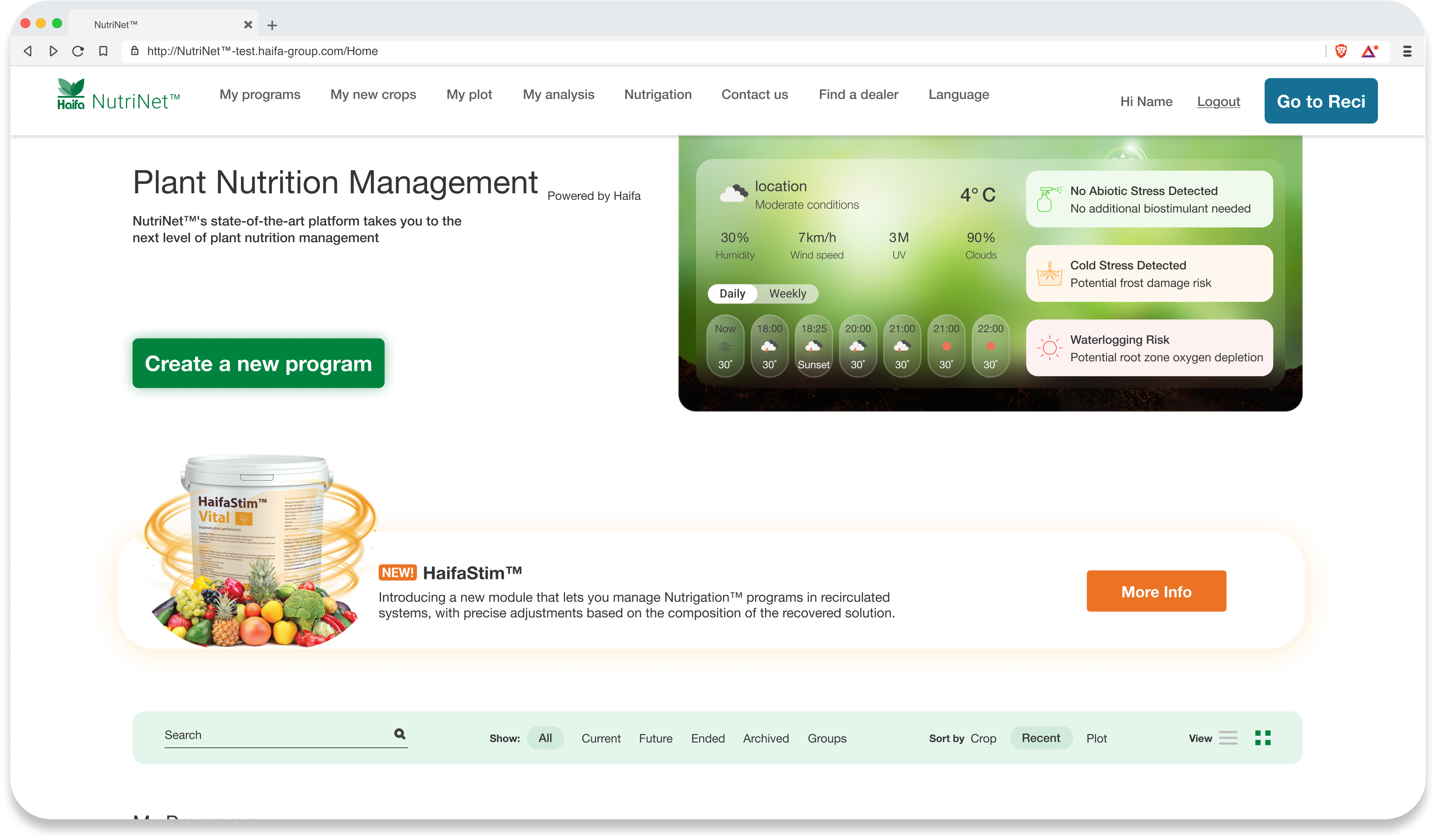
During predicted heatwaves, farmers actively seek protective measures. This is when a heat-stress stimulant recommendation is most welcomed — it addresses an immediate, real concern.
When soil analysis flags depletion of specific minerals, farmers are in an active problem-solving mindset. A targeted bio-stimulant recommendation aligns with their decision-making process.
Frost forecasts trigger immediate protective action. Farmers who would ignore a banner are receptive to frost-mitigation advice when it appears at the exact moment risk is identified.
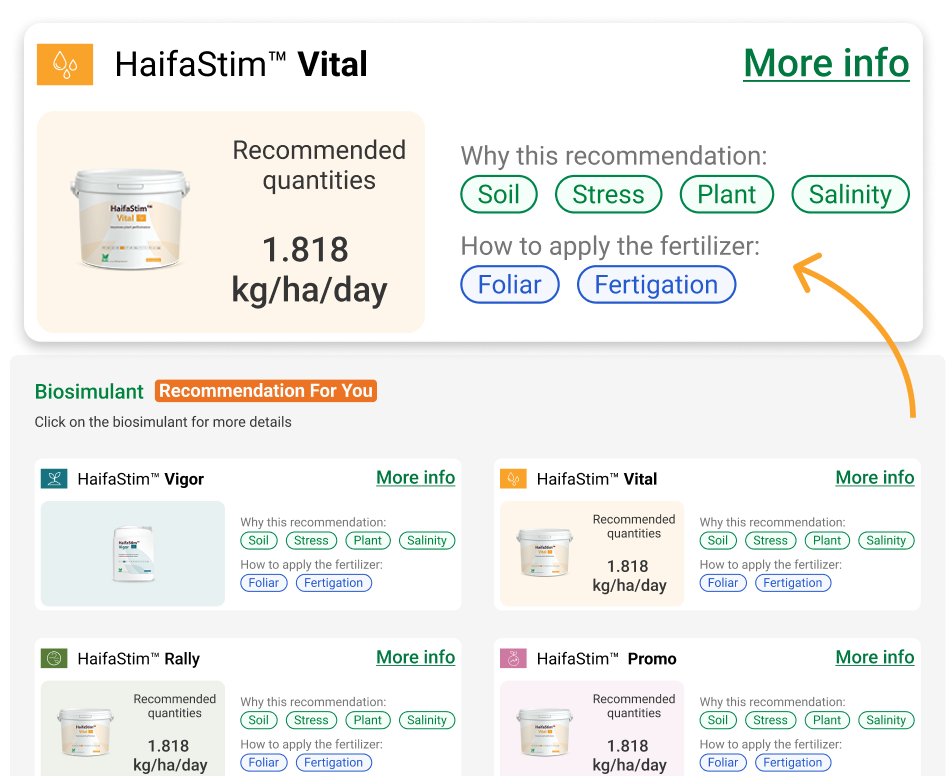
Instead of banners or promotional modules, I designed a system of contextual tooltips and benefit-driven tags that surface within the fertilization planning screen — exactly when the farmer is making active decisions. The product recommendation becomes part of the professional workflow.
The original fertilization planning interface — functional, professional, with no contextual product awareness.
Environmental conditions cross a threshold. The trigger engine identifies a relevant product and prepares a contextual recommendation.
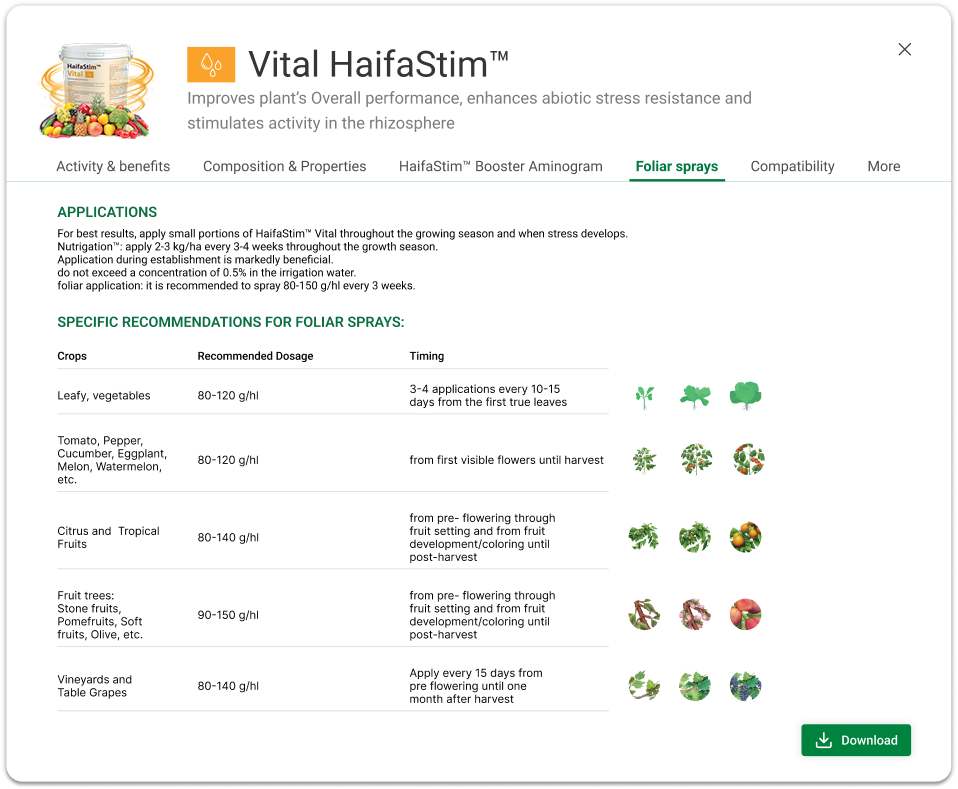
A benefit-tagged tooltip appears within the workflow — specific, timely, and actionable. The farmer sees advice, not an ad.
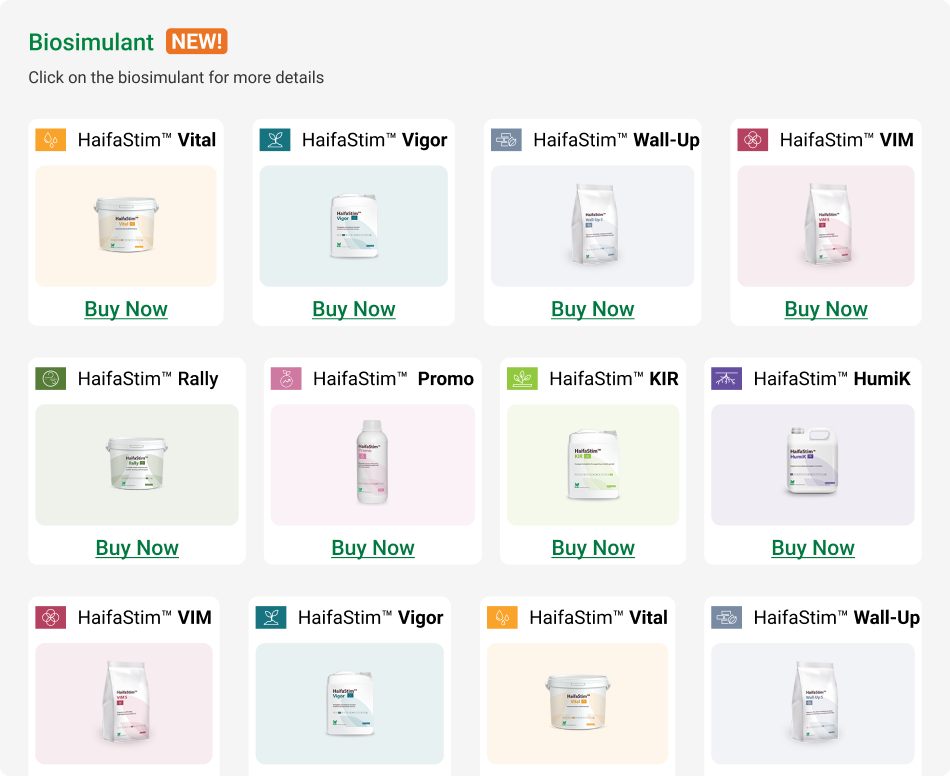
Each bio-stimulant product was tagged with specific environmental benefit categories. When a trigger fires, only the matching tags surface — ensuring every recommendation is directly relevant to the current conditions.
By classifying products and mapping them to real-time agronomic data, we transformed the business objective into something farmers valued — a personalized advisory layer that increased product discovery only for the users who genuinely needed it.
Product recommendations only appear during genuine stress events, ensuring every exposure is contextually appropriate and professionally justified. Zero irrelevant impressions.
Farmers who received contextual recommendations converted at significantly higher rates than generic promotional approaches — because the recommendation solved an active, real problem.
The trigger system created a feedback loop: every interaction generated signal for improving recommendation accuracy, turning the UX layer into a continuously improving agronomic intelligence engine.